

Total OCS | Case Studies

Owners Corporation Challenges Resolved
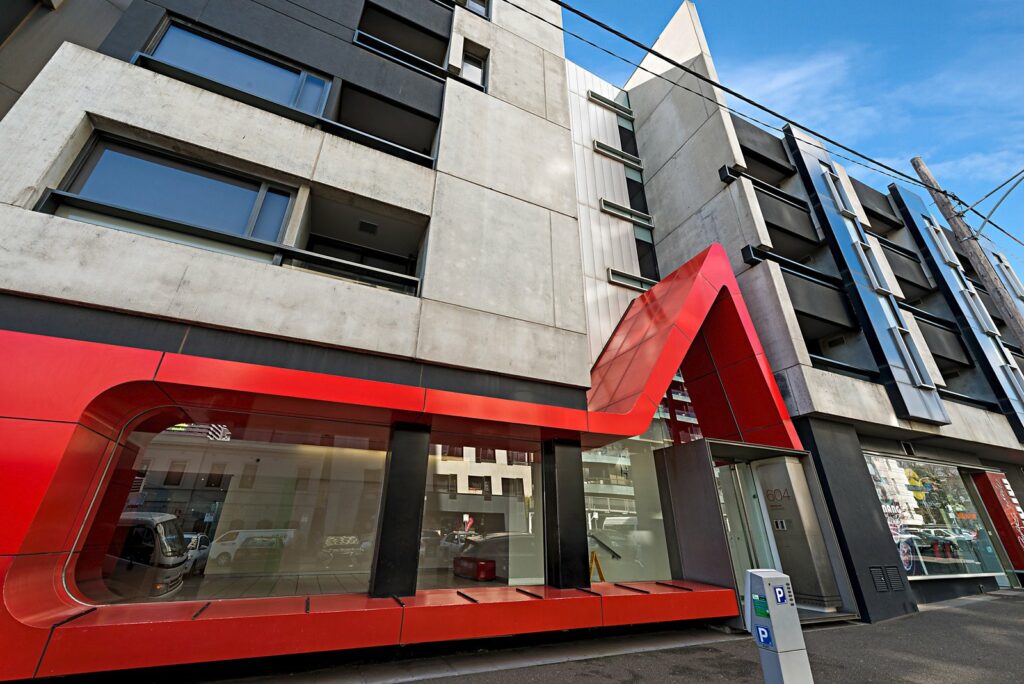
Cladding Replacement
Location: Swanston Street, Melbourne
Problem: A building was facing a significant issue with its cladding. The Owners Corporation (OC) was confronted with the challenge of addressing this problem themselves. Adding to their concerns, the council had issued a building notice for the property, setting a strict timeframe for rectification works to be completed.
Solution:
To tackle the cladding issue effectively, the OC embarked on a structured approach:
This case study demonstrates how a systematic, expert‑guided approach—combining detailed assessment, professional input, and rigorous due diligence—enabled the successful resolution of a complex cladding problem.
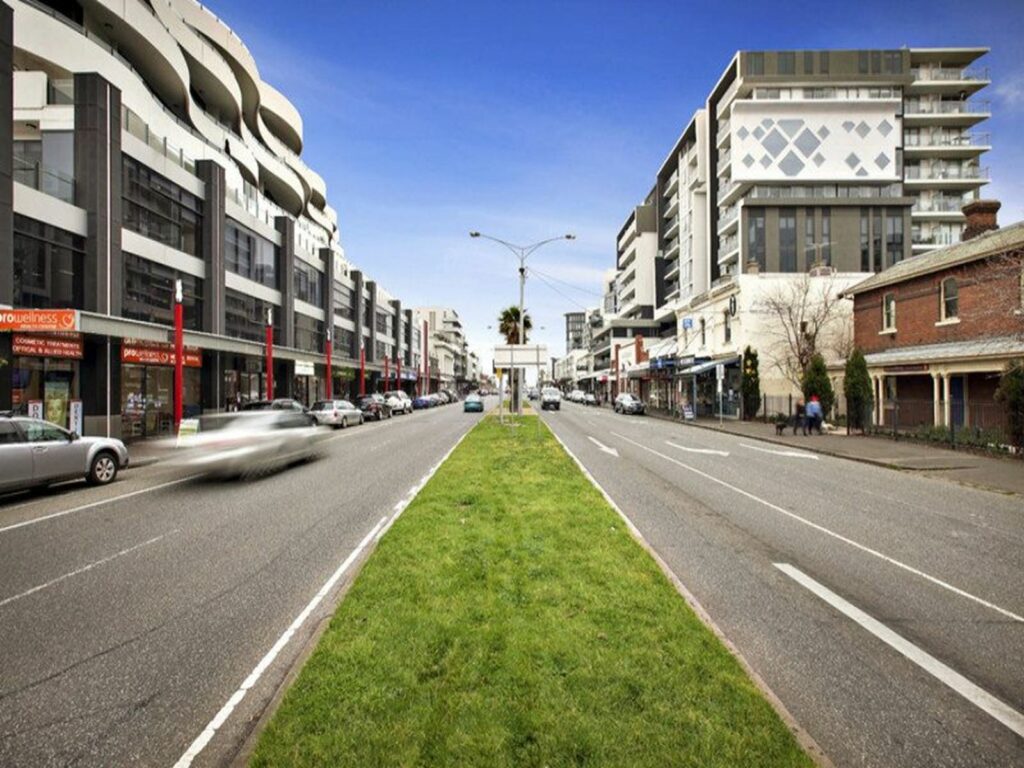
Building defects
Location: Port Melbourne, Melbourne
Problem: The management of a building in Port Melbourne faced a critical issue as the property was rapidly approaching the end of its 10-year warranty period. It was imperative to address any latent defects in the building that might have arisen during this time.
Solution:
To effectively manage the building defects issue, a well-structured approach was taken:
Specialist building defects inspection: Recognising the urgency of the situation, advice was provided to the committee to engage a specialist building defects inspector. This inspector meticulously assessed the building and drafted a comprehensive report outlining all latent defects and a cost estimate for its rectification.
Identification of significant defects: The inspector’s report revealed some significant defects in the building, pointing to potential issues that would require immediate attention.
Committee guidance: The committee sought and was provided with legal advice on how to proceed. The solicitor guided the committee in arranging a special resolution, which would enable them to take legal action against the builder responsible for the defects.
Legal action initiation: The defects report was then forwarded through the appropriate legal channels to the builder, preserving the OC’s rights prior to the 10-year limitation period and a demand for the commencement of the rectification of the defects.
Outcome:
Through careful negotiation with the builder, the Owners Corporation (OC) was able to secure a favourable outcome.
This case study illustrates how proactive measures, including engaging specialists early on, seeking legal advice and pursuing legal action, when necessary, can lead to the successful resolution of building defects.
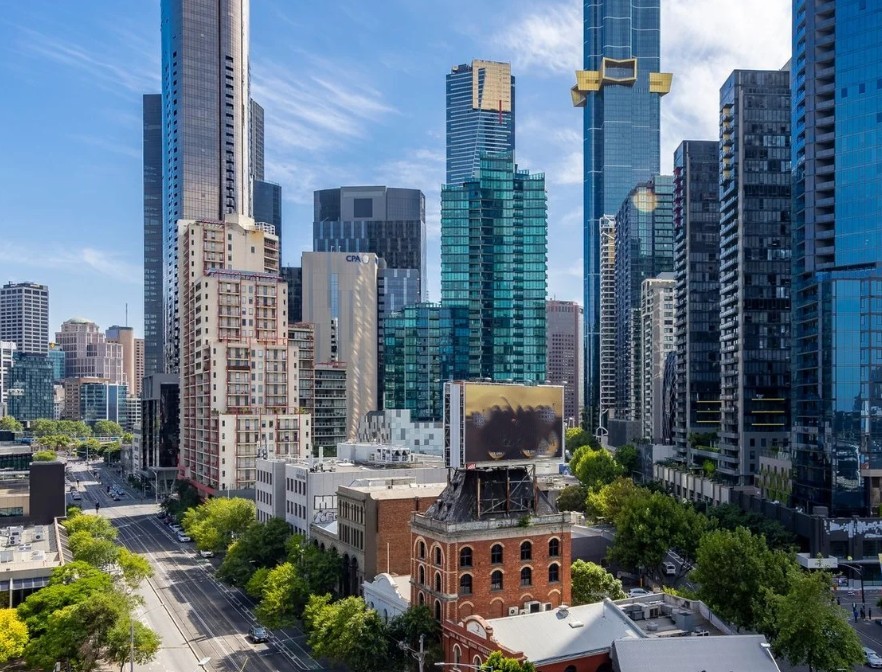
Lift Replacement
Location: Southbank, Melbourne
Problem: The Owners Corporation of a high-rise residential building with passenger lifts that were approaching the end of their practical service life. While the lifts were still operational, recurring faults, increasing downtime, and difficulty sourcing replacement parts signalled rising operational and safety risks.
Solution:
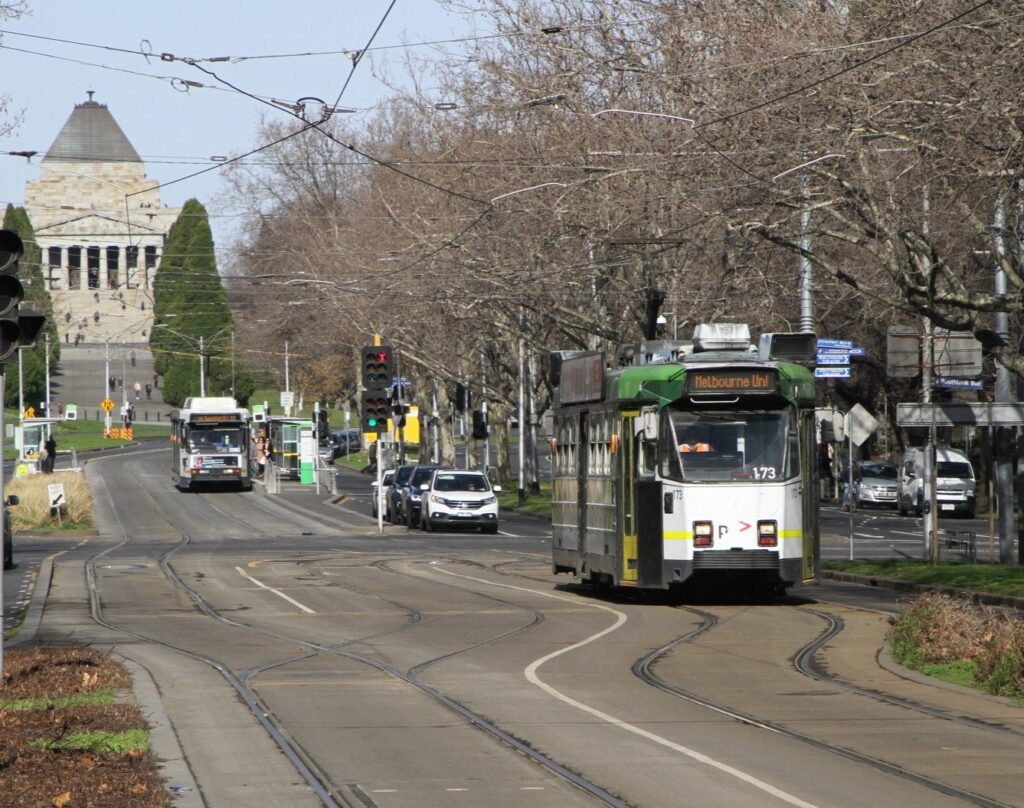
EV Charging Infrastructure
Location: St Kilda Road, Melbourne
Problem: As electric vehicle ownership increases, An Owners Corporation was facing growing pressure from lot owners requesting permission to install individual EV chargers in the basement car park.
Solution:
Balcony Waterproofing
Location: Southbank, Melbourne
Problem: An Owners Corporation in Southbank began experiencing ongoing water ingress issues from apartment balconies. Over time, the original waterproofing membranes beneath the tiled balconies had deteriorated due to age and exposure.
Solution:

Insurance Commissions
Location: Boronia and Port Melbourne, Victoria
Problem: Building insurance is one of the largest recurring costs in an Owners Corporation’s budget, yet commissions can sit inside the premium without committees seeing how much of what they pay is cover and how much is commission. In both of these buildings, the existing insurance arrangements included a commission, and the Owners Corporations wanted to know whether they were getting genuine value for money.
Solution:
The challenges were clear:
A commission built into the premium means less of what the Owners Corporation pays goes towards the cover itself.
Committees often can’t see the split between cover, commission and fees, which makes it hard to judge value for money.
Insurance is a significant annual cost to every lot owner, so poor value compounds year after year.
Committees need to demonstrate that decisions on major expenses are made in the best interests of all owners.
Solution
Each Owners Corporation took a transparent, independent approach to its insurance:
Commission identified and removed – The commission component of the premium was identified and removed entirely, so the Owners Corporation pays for the cover and a clearly disclosed broker fee only.
Independent broker tender – Rather than simply renewing the existing arrangement, the insurance was tendered through an independent insurance broker to test the market on price, cover and terms.
Broker fee negotiation – where possible we try to further negotiate the broker fee.
Clear reporting to the committee – Results were presented in plain terms, so the committee could see exactly what changed and why.
Outcome
Boronia: The Owners Corporation saved $8,741.98, achieved by removing the commission entirely and tendering through an independent insurance broker.
Port Melbourne: The Owners Corporation saved $5,870.85, a 20% reduction in the insurance premium. This was achieved by removing the commission entirely and negotiating the broker fee.
In both cases, the saving was passed directly back to the Owners Corporation.
The Owners Corporations now have:
Full visibility of what they pay for insurance and why.
Lower premiums with no reduction in the quality of advice they receive.
Confidence that their insurance recommendations are independent.
A documented, repeatable process for future renewals.
Our position on commissions:
We do not accept commissions, kickbacks or referral incentives from any contractor or supplier. We hold no ownership interest in, and have no affiliation with, any supplier company. Our operations are entirely independent.
In practice, this means that when we recommend a contractor to your committee, that recommendation is based on capability, price and suitability for your building, and nothing else. Every dollar of value we negotiate stays with the Owners Corporation.
What these cases have in common
Each of these situations involved complexity, competing interests and significant financial or legal risk. In every case the outcome was shaped by the same fundamentals — independent advice, proper process, transparent communication and governance that protected the Owners Corporation and its lot owners.
That is the standard we bring to every building we manage.
